
Latest Trends in Research-Informed Education Consultancy
Introduction to Research-Informed Education Consultancy
In recent years, the education sector has witnessed a transformative shift towards research-informed practices. Education consultancy, in particular, has embraced this change, leveraging data and research to enhance learning outcomes. As schools and educational institutions strive for excellence, understanding the latest trends in research-informed education consultancy is crucial.

Emphasis on Evidence-Based Strategies
One of the prominent trends in education consultancy is the emphasis on evidence-based strategies. Consultants are increasingly relying on empirical research to recommend interventions and practices that have been proven to work. This approach not only enhances the effectiveness of educational programs but also builds trust with stakeholders by demonstrating measurable results.
Schools are encouraged to adopt a cycle of continuous improvement, where data is used to identify areas for growth, and research-backed solutions are implemented. This cycle ensures that educational practices remain relevant and effective in a rapidly changing world.
Integration of Technology in Learning
Technology integration is another key trend in research-informed education consultancy. Consultants are focusing on how digital tools can be used to support teaching and learning. From personalized learning platforms to AI-driven analytics, technology is revolutionizing the education landscape.
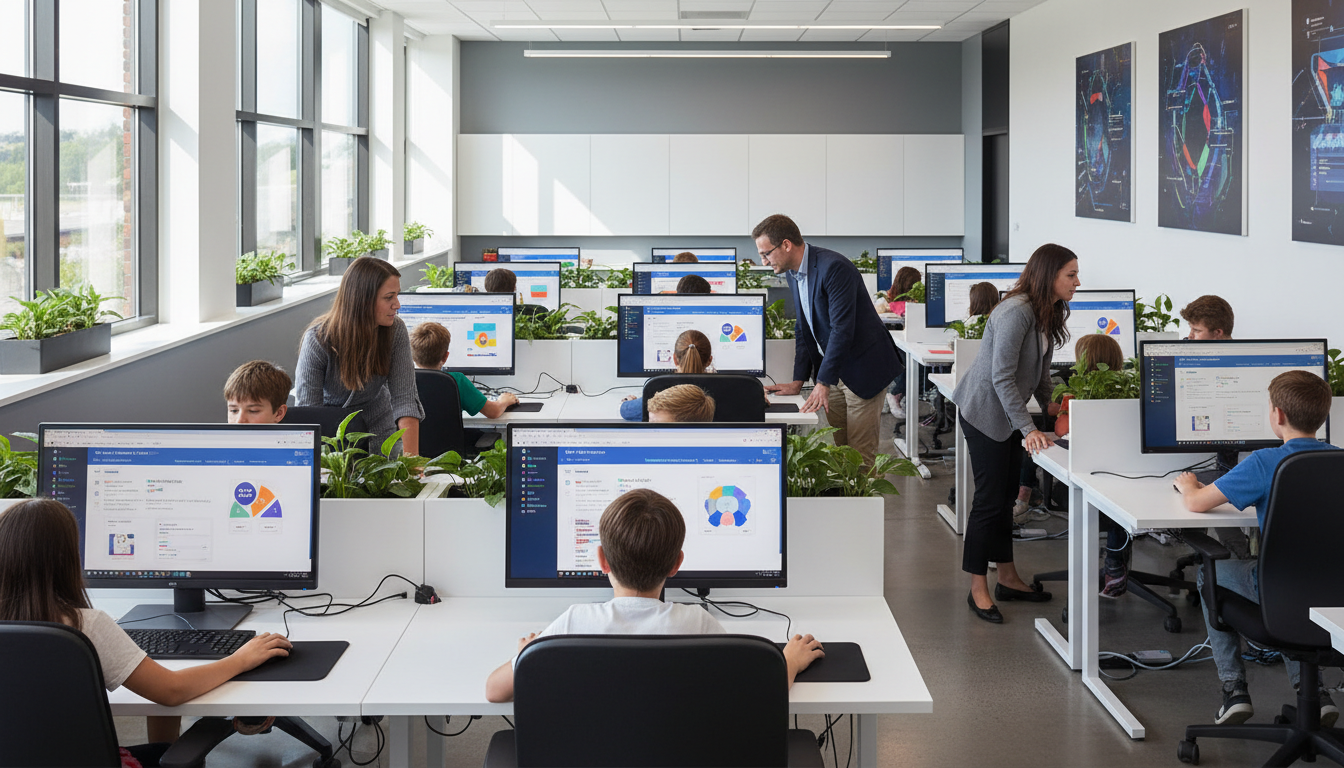
By analyzing data collected from digital platforms, consultants can provide insights into student engagement and performance. This information is invaluable for tailoring educational approaches to meet individual student needs, thus improving overall academic achievement.
Focus on Social and Emotional Learning (SEL)
Social and Emotional Learning (SEL) has gained significant attention in recent years. Education consultants are exploring how SEL can be integrated into the curriculum to support holistic student development. By fostering skills such as empathy, self-awareness, and emotional regulation, SEL prepares students for success both in and out of the classroom.
Consultants are using research to develop SEL programs that are culturally responsive and inclusive, ensuring that all students can benefit from this important aspect of education.

Collaborative and Inclusive Practices
Collaboration is at the heart of modern education consultancy. Consultants are working closely with teachers, administrators, and policymakers to create inclusive environments that cater to diverse learning needs. By promoting collaboration, educational practices become more comprehensive and equitable.
Inclusive practices ensure that every student, regardless of their background or abilities, has access to quality education. Consultants are using research to identify best practices for fostering an inclusive school culture, which is essential for student success.
Conclusion
The landscape of education consultancy is evolving, driven by a commitment to research-informed practices. By focusing on evidence-based strategies, technology integration, SEL, and inclusive practices, consultants are helping educators navigate the complexities of modern teaching and learning.
As these trends continue to develop, staying informed and adaptable will be key for educational institutions seeking to improve their outcomes and foster a nurturing learning environment.